

Differences and Similarities Between Public and Private Schools
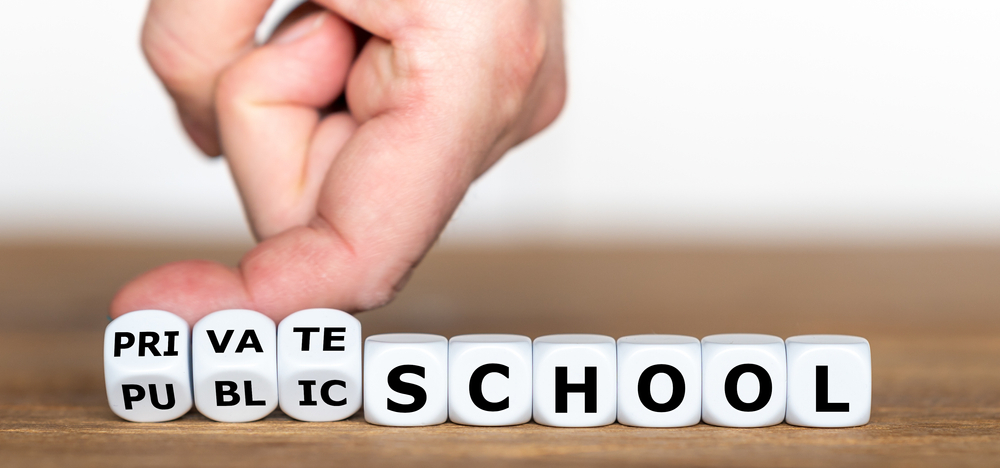
Education is one of the pillars of a flourishing society. When discussing the educational landscape in the United States, the debate often revolves around public and private schools. Each type has its own pros and cons, with various factors influencing the decision-making process for parents and students alike.
When diving into the nuances, one realizes there are both substantial differences and noteworthy similarities between these two types of institutions. In this article, we’ll explore these aspects across multiple dimensions such as funding, curriculum, admissions, teacher qualifications, class sizes, student body, religious affiliation, extracurricular activities, costs, discipline, and safety. By the end, you’ll have a comprehensive understanding of what sets public and private schools apart and where they overlap.
Funding
Public School Funding
Public schools in the United States are primarily funded by local, state, and federal government sources. Local funds typically make up about 45% of public school funding and usually come from local property taxes. This results in significant variations in funding across different regions. Wealthier areas tend to collect more in property taxes, providing more resources for their local schools compared to less affluent areas.
Federal funding contributes less than 10% of public school budgets, but it is crucial for supporting specific programs and mandates. State-level funding bridges the gap between local and federal contributions. Public schools must adhere to government standards and curriculum requirements to receive this funding, ensuring a level of oversight and accountability.
Interestingly, the reliance on local taxes can lead to disparities that are challenging to address. A public school in a wealthy suburb might have state-of-the-art facilities, while a school in an economically disadvantaged area could struggle with outdated resources and infrastructure. Despite these challenges, the primary goal of public school funding is to provide a free and equitable education for all students within the district.
Private School Funding
On the other hand, private schools operate primarily through student tuition, private grants, and endowments. This independence from government funding allows private institutions more flexibility in developing their curricula and teaching methods. For instance, private schools can introduce specialized programs or curricula aligned with specific educational philosophies or religious beliefs.
Tuition fees at private schools can vary significantly. While some elite private prep schools charge upwards of $40,000 per year, the average tuition for private elementary schools is around $9,000 per year, and private high schools average about $14,000 per year. Private schools often offer scholarships and financial aid to attract a diverse student body and make education accessible to more families.
Additionally, because private schools don’t rely on government money, they are not required to follow state-mandated curriculum standards, allowing for potentially more tailored and innovative educational experiences.
Read more: Do Private Schools Get State Funding?
Similarities and Differences
Despite differing funding sources, both public and private schools aim to provide quality education to their students. However, the means to achieve this goal can vary widely. Public schools are held to state and federal standards, aligning more closely with a “one size fits all” approach, whereas private schools enjoy greater freedom to innovate and adapt their programming.
In summary, while both public and private schools strive to deliver high-quality education, public schools rely on government funding and must adhere to set standards, whereas private schools, funded by tuition and private sources, enjoy greater autonomy in their operations.

Curriculum
Public School Curriculum
Public schools are mandated to follow state curriculum guidelines, often driven by the Common Core State Standards. These standards ensure consistency and a baseline level of education across all public schools. The public school curriculum focuses on core academic subjects like English, mathematics, science, and social studies.
In English, public school curricula typically cover a wide range of literature, reading comprehension, writing, grammar, and vocabulary. The aim is to establish a strong foundation that prepares students for state assessments and standardized tests. Public schools often incorporate technology and project-based learning to make lessons more interactive and engaging, although the availability of such resources can vary depending on the school’s funding.
This structured approach means there is less flexibility for teachers to deviate from the prescribed material, aiming to provide a uniform learning experience across the board. However, this uniformity can sometimes stifle creativity and limit the ability to cater to individual student needs.
Private School Curriculum
Private schools, unbound by state mandates, have the liberty to craft their own curricula, often reflecting their educational philosophy, religious values, or specialized focus areas such as the arts or sciences. This can result in a more diverse and enriched educational experience.
In English, private schools may offer specialized courses such as creative writing, journalism, or intensive literature studies that might not be available in the public school system. Schools with a strong emphasis on humanities might incorporate unique elements like classical literature, rhetorical skills, and philosophical debates into their English curriculum.
The flexibility of private school curricula can lead to innovative teaching methods and individualized learning plans that cater to the strengths and interests of their students. Advanced Placement (AP) or International Baccalaureate (IB) programs are often more accessible in the private school system, providing students with a rigorous and globally-recognized framework of learning.
Read more: Do Private Schools Have to Follow State Guidelines?
Similarities and Differences
Both public and private schools aim to provide a strong foundation in core academic subjects, including English language arts. Many private schools also incorporate state standards or Common Core into their programs to prepare students for standardized tests and college admissions.
The core difference lies in the flexibility and autonomy private schools possess. They can innovate and tailor their programs to meet the specific needs and interests of their student population, whereas public schools must adhere to a more rigid structure dictated by state standards.
In conclusion, while public schools provide a standardized and consistent curriculum designed to meet broad educational goals, private schools offer more flexibility and innovation, often resulting in a tailored and enriched academic experience.

Admissions
Public School Admissions
Public school admissions are typically straightforward and based on the student’s residential address. Public schools are obligated to accept all students within their designated geographic boundaries, ensuring that every child has access to free education. This system aims to serve the community equitably, giving all children, regardless of their background or abilities, an opportunity to attend school.
Because public schools must accept all students, they are more likely to have a diverse student body representing various racial, socioeconomic, and academic backgrounds. This diversity can enrich the learning environment, offering students a broader perspective on different cultures and life experiences.
However, the flipside of this open admissions policy can be overcrowded classrooms and strained resources in densely populated areas. Public schools in affluent neighborhoods may benefit from better funding and facilities, whereas those in economically disadvantaged areas may face significant challenges.
Private School Admissions
Private school admissions, in contrast, are more selective. These schools have the autonomy to establish their own admissions criteria, which often include a combination of academic performance, entrance exams, interviews, and a demonstrated fit with the school’s mission and values.
This selectivity allows private schools to maintain smaller class sizes and a more controlled learning environment, ensuring that students who attend are well-suited to the school’s educational philosophy and standards. However, this also means that private schools can be more exclusive and may not reflect the same level of racial and socioeconomic diversity found in public schools.
Private schools often require prospective students to submit detailed applications, including transcripts, test scores, recommendation letters, and personal essays. The admissions process might also include interviews with both the student and their parents, providing the school with a comprehensive understanding of the applicant’s abilities, interests, and family background.
Similarities and Differences
Both public and private schools aim to enroll students and provide them with a quality education, though the specific admission criteria and processes differ substantially.
Public schools operate on a non-selective, open admissions basis, focusing on serving the community they reside in. Private schools, on the other hand, can be more selective, shaping their student body to align with their educational goals and values.
In summary, public school admissions are automatic and inclusive, ensuring every child in the geographic area has access to education. Private school admissions are more selective, often involving comprehensive application processes to find students who best fit the school’s criteria and values.

Teacher Qualifications
Public School Teacher Qualifications
In the public school system, teachers are generally required to meet stringent qualifications. Most states mandate that public school teachers hold at least a bachelor’s degree, a teaching certificate, and often a master’s degree in education or their specific subject area. According to the National Center for Education Statistics, as of the 2020-21 school year, about 90% of public school teachers held a regular or standard state teaching certificate or advanced professional certification.
Teacher qualifications in public schools are closely monitored and regulated to maintain a high standard of education. This emphasis on qualified educators is designed to ensure that students receive instruction from teachers proficient in both subject matter and effective teaching strategies.
Public school teachers are also required to engage in continuous professional development to keep their skills and knowledge up-to-date. This professional growth is supported by regular evaluations, workshops, and additional coursework.
Private School Teacher Qualifications
Private schools, however, have more flexibility when it comes to teacher qualifications. While many private schools employ teachers with similar qualifications and certification levels as public schools, they are not always required to do so. This means that private school teachers might not hold state certification or even a degree in education, although they may have specialized knowledge or experience in their teaching subject.
This flexibility allows private schools to hire teachers who bring unique skills and perspectives to the classroom, which can be particularly beneficial in specialized programs or subjects. For example, a private art school might hire professional artists to teach their courses, giving students a first-hand look into the industry.
However, the lack of standardized certification requirements can lead to inconsistencies in teacher quality across different private schools. Some may prioritize hiring highly qualified educators, while others might focus more on a teacher’s fit with the school’s philosophy and values.
Similarities and Differences
Both public and private schools seek to hire competent, dedicated teachers who can provide quality education. However, the pathways and qualifications for becoming a teacher can differ significantly.
Public schools require teachers to meet rigorous state-mandated qualifications and certifications, ensuring a standardized level of competency. Private schools have more flexibility, allowing them to hire educators with diverse backgrounds and experiences, potentially enriching the learning environment.
In conclusion, while public school teachers typically have to meet strict certification and qualification standards, private school teachers may have more varied qualifications, reflecting the school’s unique educational philosophy and needs.
Class Sizes
Public School Class Sizes
Class sizes in public schools tend to be larger on average due to the inclusive nature of public education and the funding structures that support it. On average, public school classes have around 20 to 23 students per class. This size can vary widely depending on the school’s location, funding, and resources.
Larger class sizes can sometimes limit the amount of individualized attention a teacher can provide to each student. Managing a large classroom requires teachers to adopt more generalized teaching methods, potentially overlooking the specific needs and learning styles of individual students.
However, larger classes can also offer some benefits, such as more diverse group discussions and collaborative learning opportunities. Public schools often utilize teacher aides and support staff to help manage larger classes and provide additional instructional support.
Private School Class Sizes
Private schools, by contrast, often emphasize smaller class sizes as a significant advantage. On average, private school classes typically have 15 to 20 students per class. Private schools often maintain lower student-to-teacher ratios, averaging around 12.5 students per teacher.
Smaller class sizes allow for more personalized instruction and the ability to tailor teaching methods to individual student needs. Teachers in private schools can provide more one-on-one attention, closely monitor student progress, and quickly address any academic or behavioral issues.
The smaller class sizes at private schools are often a key selling point for parents, as they are perceived to enhance the overall quality of education and provide a more supportive learning environment.
Similarities and Differences
Both public and private schools aim to create a conducive learning environment, but the approach to class sizes can differ markedly. Public schools often deal with larger class sizes due to their inclusive admissions policies and funding constraints. Private schools typically prioritize smaller class sizes to offer more individualized instruction and support.
In summary, while public schools may contend with larger classes, which could limit individualized attention, private schools often maintain smaller class sizes to focus on personalized education and student support.
Student Body
Public School Student Body
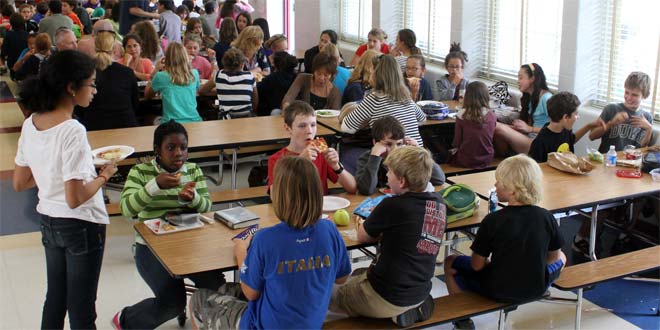
Public schools tend to have a more racially and socioeconomically diverse student body compared to private schools. In the fall of 2021, public schools enrolled a higher percentage of Hispanic (29%) and Black (15%) students and generally served a broader socioeconomic spectrum. The inclusive admissions policy of public schools ensures that they serve students from diverse backgrounds, creating a microcosm of the larger community.
Public schools also enroll a significant number of students with special educational needs, providing specialized services and support programs. This inclusivity is one of the cornerstones of public education, aiming to offer equal opportunities to all children.
The diversity in public schools can enrich the educational experience by exposing students to a variety of cultures, perspectives, and life experiences, fostering a more inclusive and understanding community.
Private School Student Body
Private schools, on the other hand, often have a student body that is more homogeneous in terms of race and socioeconomic status. Private schools enrolled a higher percentage of White (65%) and Asian (6%) students and tend to serve families with higher income levels.
Students at private schools are more likely to come from two-parent households, and their parents are often more educated, with a higher percentage holding graduate or professional degrees. This demographic homogeneity can lead to a different social environment compared to public schools.
Despite this, many private schools actively seek to diversify their student body through scholarships and financial aid programs, aiming to provide access to a broader range of students. The selective admissions process can also lead to a student body that is more academically homogeneous, potentially fostering a more focused academic environment.
Similarities and Differences
Both public and private schools serve as educational communities for children, but the composition of their student bodies can differ significantly. Public schools tend to be more diverse in terms of race and socioeconomic status, reflecting the broader community. Private schools often have a more homogeneous student body but make efforts to include diverse students through financial aid and scholarships.
In conclusion, public schools generally have a more diverse student body, while private schools often serve more homogeneous populations but strive for inclusivity through various programs.
Religious Affiliation
Public School Religious Affiliation
Public schools in the United States are secular institutions, meaning they cannot promote any particular religion due to the separation of church and state mandated by the U.S. Constitution. This secular orientation ensures that public education is accessible and inclusive to students of all religious backgrounds.
Religious activities such as prayer or religious instruction are not part of the public school curriculum. However, students are permitted to engage in voluntary prayer or religious activities as long as it does not disrupt the educational process or infringe on the rights of others.
The secular nature of public schools is rooted in the Common School movement of the 19th century, which aimed to create a standardized, non-sectarian education system accessible to all children, regardless of their religious background.
Private School Religious Affiliation
Private schools, in contrast, often have religious affiliations and may incorporate religious instruction and activities into their curricula. In the 2019-20 school year, 66% of private schools had a religious orientation or purpose, enrolling 76% of private school students. This reflects the significant role that religion plays in private education in the United States.
Religious private schools, such as Catholic, Protestant, Jewish, and Islamic schools, provide education that aligns with their religious values and teachings. For instance, Catholic schools often include daily prayers, religious studies, and participation in religious services as part of their curriculum.
Religious private schools serve as important sites for faith formation and civic learning for many families, offering an integrated approach to education that combines academic excellence with spiritual development.
Similarities and Differences
The primary difference between public and private schools in terms of religious affiliation is the secular mandate of public schools compared to the often explicit religious orientation of many private schools. Public schools maintain neutrality in religious matters, while private schools can integrate religious teachings into their educational programs.
In summary, public schools are secular institutions that provide a non-religious education, ensuring inclusivity for all students. Private schools, on the other hand, often have religious affiliations and incorporate religious instruction and activities into their curricula, reflecting their mission and values.
Extracurricular Activities
Public School Extracurricular Activities
Extracurricular activities in public schools are an essential part of the educational experience, providing students with opportunities to explore interests, develop skills, and build social connections. However, the availability and variety of extracurricular activities can vary widely depending on the school’s resources and funding.
Public schools typically offer traditional team sports such as football, basketball, and baseball, as well as performing arts programs like band, choir, and drama. Participation in these activities is usually open to all students who meet basic eligibility requirements.
Extracurricular activities in public schools are often considered “extras” and can be vulnerable to budget cuts during times of financial strain. Despite this, public schools recognize the value of these activities in promoting student engagement, leadership skills, and a well-rounded education.
Private School Extracurricular Activities
In private schools, extracurricular activities are often seen as an integral part of the educational experience and are typically well-funded. Private schools tend to offer a wider variety of extracurricular options, including specialized sports, arts, and academic clubs that may not be available in public schools.
The emphasis on extracurricular activities in private schools is often tied to their mission of developing the “whole child” and preparing students for college and beyond. These schools view extracurricular participation as a crucial component of student development, fostering skills such as teamwork, leadership, and creativity.
Private schools may have more selective participation in extracurricular activities, with students needing to meet certain academic or skill-based requirements. This selectivity can enhance the quality and competitiveness of the programs offered.
Similarities and Differences
Both public and private schools recognize the importance of extracurricular activities in enriching the educational experience and promoting student development. However, private schools often have more resources to offer a wider variety of activities and may place a greater emphasis on these programs.
In summary, while both public and private schools value extracurricular activities, private schools typically offer more diverse and well-funded options, viewing them as key to developing well-rounded students.
Cost
Public School Cost
The cost of attending public schools is generally covered by taxpayer money, making education free for students. Public school funding comes from federal, state, and local government sources. In the 2020-21 school year, the average per-pupil expenditure for public schools in the United States was $13,494.
This government funding structure ensures that all children have access to education, regardless of their family’s financial situation. Public schools may charge nominal fees for certain activities or supplies, but the overall cost to families is minimal compared to private education.
The free nature of public education is a foundational principle, ensuring that every child has the opportunity to receive a basic education without financial barriers.
Private School Cost
In contrast, private school education is funded through tuition, fees, and private sources. Private schools charge tuition, which can vary significantly based on the school’s location, reputation, and the resources it offers. The average tuition for private elementary schools is around $9,000 per year, while private high schools average about $14,000 per year. Elite private prep schools can charge up to $40,000 per year.
To make education more accessible, many private schools offer financial aid and scholarships. These programs can significantly reduce the cost for families who qualify, but the overall expense of private education remains a significant consideration for most households.
The cost of private education reflects the resources and specialized programs that these schools offer, including smaller class sizes, advanced curricula, and extensive extracurricular activities.
Read more: How Much Do Private Schools Cost Per Month?
Similarities and Differences
Both public and private schools aim to provide quality education, but the cost structures differ markedly. Public schools arePublic Schools: focus on providing free and accessible education through government funding, whereas Private Schools rely on tuition and private sources, often offering more specialized programs at a higher cost. Understanding these costs is crucial for families when making educational decisions.
Discipline
Public School Discipline
Public school discipline is governed by state and federal regulations, aiming to ensure due process for students. Students in public schools have specific rights, such as the right to free speech and the right to due process before being disciplined.
Discipline policies in public schools are generally outlined in a student handbook and code of conduct, detailing expectations, rules, and consequences for student behavior. Due process typically involves notifying students of the alleged violation and providing an opportunity for the student to present their side of the story. This structured approach aims to protect student rights while maintaining classroom order.
However, the bureaucracy involved can sometimes lead to slower disciplinary processes, as schools must adhere to specific protocols and legal requirements. This can be frustrating for teachers and administrators who need to address behavioral issues promptly.
Private School Discipline
In private schools, discipline policies are more flexible and are primarily based on the school’s own guidelines as outlined in their student handbook and code of conduct. Students in private schools do not have the same constitutional protections as those in public schools. Consequently, private school administrators have greater discretion in enforcing discipline.
Private schools can act more swiftly when dealing with disciplinary issues since they are not bound by the same due process requirements. This can lead to a more efficient handling of misbehavior but might also result in perceived or real injustices without the same level of oversight and appeals available in the public system.
For example, a student in a private school might face immediate suspension or expulsion for offenses that would require a series of escalating interventions in a public school setting. The flexibility in private school discipline can contribute to a more controlled environment but also carries risks of inconsistent application.
Similarities and Differences
Both public and private schools emphasize maintaining discipline to create a conducive learning environment. However, the frameworks and legal protections for students differ significantly.
In summary, public schools have more structured and legally mandated disciplinary processes to protect student rights, while private schools have greater flexibility and can often act more swiftly in enforcing discipline.
Safety
Public School Safety
Safety in public schools has become a significant focus, particularly in recent years. According to the School Survey on Crime and Safety, 93% of public schools reported having a written plan for responding to a shooting incident during the 2021-22 school year. Similar high percentages reported plans for bomb threats and natural disasters.
Despite these preparations, 44% of public schools reported experiencing one or more violent incidents, with 16% reporting one or more serious violent incidents. The larger size and more diverse student body of public schools can sometimes contribute to higher rates of reported incidents.
Public schools often employ safety measures such as security personnel, surveillance cameras, controlled access to buildings, and regular emergency drills to enhance student safety. The implementation and effectiveness of these measures can vary widely based on the school’s resources and location.
Private School Safety
Private schools tend to report fewer violent incidents, which may be attributed to their smaller size, more controlled environments, and selective admissions processes. According to a 2019 report by the U.S. Secret Service’s National Threat Assessment Center, private schools were less likely to be the targets of threats or attacks compared to public schools.
The smaller class sizes and lower student-to-teacher ratios in private schools can contribute to a safer environment. This allows for closer supervision, quicker identification of potential issues, and more personalized attention to student needs.
Private schools also implement various safety measures, including surveillance, controlled access, and emergency preparedness plans. These measures are often well-funded, contributing to a sense of security within the school community.
Similarities and Differences
Both public and private schools prioritize student safety and have developed plans for handling various threats and emergencies. However, public schools reported higher rates of violent incidents compared to private schools, possibly due to differences in school size, student population, and resources.
In summary, while both public and private schools are committed to ensuring student safety, private schools often report fewer incidents, potentially benefiting from smaller, more controlled environments and well-funded safety measures.

Summary and Conclusion
In comparing public and private schools across various dimensions, it is clear that each type of institution offers unique advantages and faces distinct challenges. Public schools are funded by the government and must adhere to state standards, providing free and equitable education to all students within their geographic zone. They tend to have larger class sizes, a more diverse student body, and structured disciplinary processes aimed at protecting student rights.
Private schools, funded through tuition and private sources, have more autonomy in their curriculum, teacher qualifications, and discipline policies. They often offer smaller class sizes, more individualized instruction, and a wider variety of extracurricular activities. Private schools may also incorporate religious education, reflecting their mission and values.
Ultimately, the choice between public and private education depends on various factors, including family priorities, financial considerations, and individual student needs. Both public and private schools strive to provide quality education, but their approaches, resources, and environments can differ significantly.
This comprehensive exploration of public and private school differences and similarities provides valuable insights for parents, educators, and policymakers as they navigate the educational landscape in the United States.

You may also like

Do Private Schools Have to Follow State Guidelines?

Do Private Schools Get State Funding?

